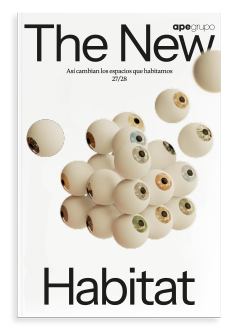
A year ago, architect María Lozano (TheDreamLab) already hinted at this shift when she stated in The New Habitat 25/26 that the home was becoming “the epicentre of daily life and an extension of one’s identity”. This move towards a more home-centred lifestyle not only transforms our relationship with domestic space but also fosters a new way of living – one in which comfort, personalisation and self-sufficiency take centre stage. In an increasingly chaotic world, the home stands out as a refuge where everything unfolds, demanding designs that support richer, more varied and longer-lasting routines within its boundaries.
The perception of the outside world as costly, unsafe and exhausting is motivating people to invest in improving their homes, prioritising comfort and efficiency. In times of crisis, the home is seen as a space that shields us from all that is happening outside. Inflation, the rising cost of living and employment uncertainty have led many people to cut back on leisure spending away from home. According to a 2024 survey by AlixPartners, 31% of consumers globally expect to spend less in 2025 than the previous year, and “staying home to eat or be entertained” is one of the main ways they plan to reduce costs. Instead of going out to restaurants or events, people are choosing to enjoy premium experiences at home, fuelling a rise in hosting and dining trends inspired by hospitality settings. In May 2024, Pinterest searches for dinner parties rose by more than 6,000%, alongside strong interest in themed dining experiences such as Bridgerton-inspired tea parties (+430%), fairy dinners (+150%) and coastal soirées (+70%).
The spread of digital tools and new technologies is also accelerating this trend. Access to streaming services, gaming platforms, online classes and remote workspaces has reduced the need to leave home for many day-to-day activities.
On a sociocultural level, the renewed emphasis on well-being and mental health reinforces the idea of the home as a sanctuary. The stress of fast-paced urban life and the lingering psychological effects of the pandemic – still visible in many individuals, whether through long COVID symptoms or grief – remain present. For instance, five years after the coronavirus was first detected in China, no one knows how many people are living with long COVID (Source: El País). All of this has sparked a preference for environments that promote calm and self-care. In this context, people are seeking wellness rituals at home that foster a sense of comfort and stability in an increasingly uncertain world.
“The home is no longer just a physical space – it’s a feeling, a community, a sense of belonging. For younger generations, it might be a shared apartment, a gaming network or a cultural identity. As designers, we have to go beyond walls and furniture and design for emotional safety and social connection.”
Simon Caspersen, strategist
This trend is redefining the way we conceive of the home, turning it into the centre of daily life. The rise of services designed to recreate experiences once exclusive to the outside world – such as premium dining or immersive entertainment – is reshaping expectations around the functionality of domestic spaces. The dining room has seen a resurgence after years of being relegated to a space that shared square footage with the kitchen or living room, often reduced to an occasional, almost ceremonial setting. Today, people want to create environments not only for sharing meals but also for hosting gatherings, playing – 51% of parents now spend more time playing with their children than in previous years (Play 2024 Report by IKEA) – or enjoying a night of entertainment. The dining room has become a social hub within the home, driven by a growing desire to celebrate at home. According to a 2024 Mintel survey, 64% of respondents chose to host parties at home instead of going out. As a result, the dining room has evolved from a closed, static space into a dynamic area that encourages interaction and the creation of memorable experiences.
As people spend more time at home, the desire for personalisation and renewal of their surroundings will continue to grow. Home updates will go beyond practicality and become expressions of identity and creativity. A Generation Z less interested in traditional nightlife (Source: Business Insider) is driving a reimagining of domestic space, prioritising environments that support personal experimentation. Just as remote work led to the creation of home offices, the “hobbyfication” of the home is giving rise to spaces dedicated to recreational and creative activities – from mixology stations and DIY workshops to gaming rooms and art studios. These new areas not only meet leisure needs but also reflect a desire for the home to serve as a multifunctional refuge that fosters well-being and self-expression.
Far from being static, domestic life is now seen as a space in constant evolution, where multifunctionality and flexible furniture design will shape the way we live.
As the home takes on more roles, transformable furniture plays an essential role – not just for its functionality but for its growing visual appeal. What was once considered a practical, budget-friendly solution – folding furniture, multi-purpose desks or sleeper sofas – has evolved into sophisticated and desirable design choices.
Desks that vanish, storage systems disguised as single units but unfold as needed or stools with hidden compartments are clear examples of how versatility has become a core principle in modern furniture design.
Strategically placed wall recesses offer innovative ways to create usable space in underutilised areas of the home. These nooks provide intimate, functional corners. Originally designed for reading or relaxing, they’re now being adapted for work, featuring foldaway or sliding elements that hide equipment and suit the demands of a multifunctional home.
Colour psychology is becoming a key element in designing spaces that evoke different energies and moods. The use of bold colours and lighting that supports wellness will be essential in creating environments that not only meet the functional needs of the home but also foster positive emotions and support an emotionally enriching atmosphere.
Personalisation, combined with accessible DIY solutions, will allow for experimentation with décor and frequent home refreshes – clearly expressing the identity of the people who live there.
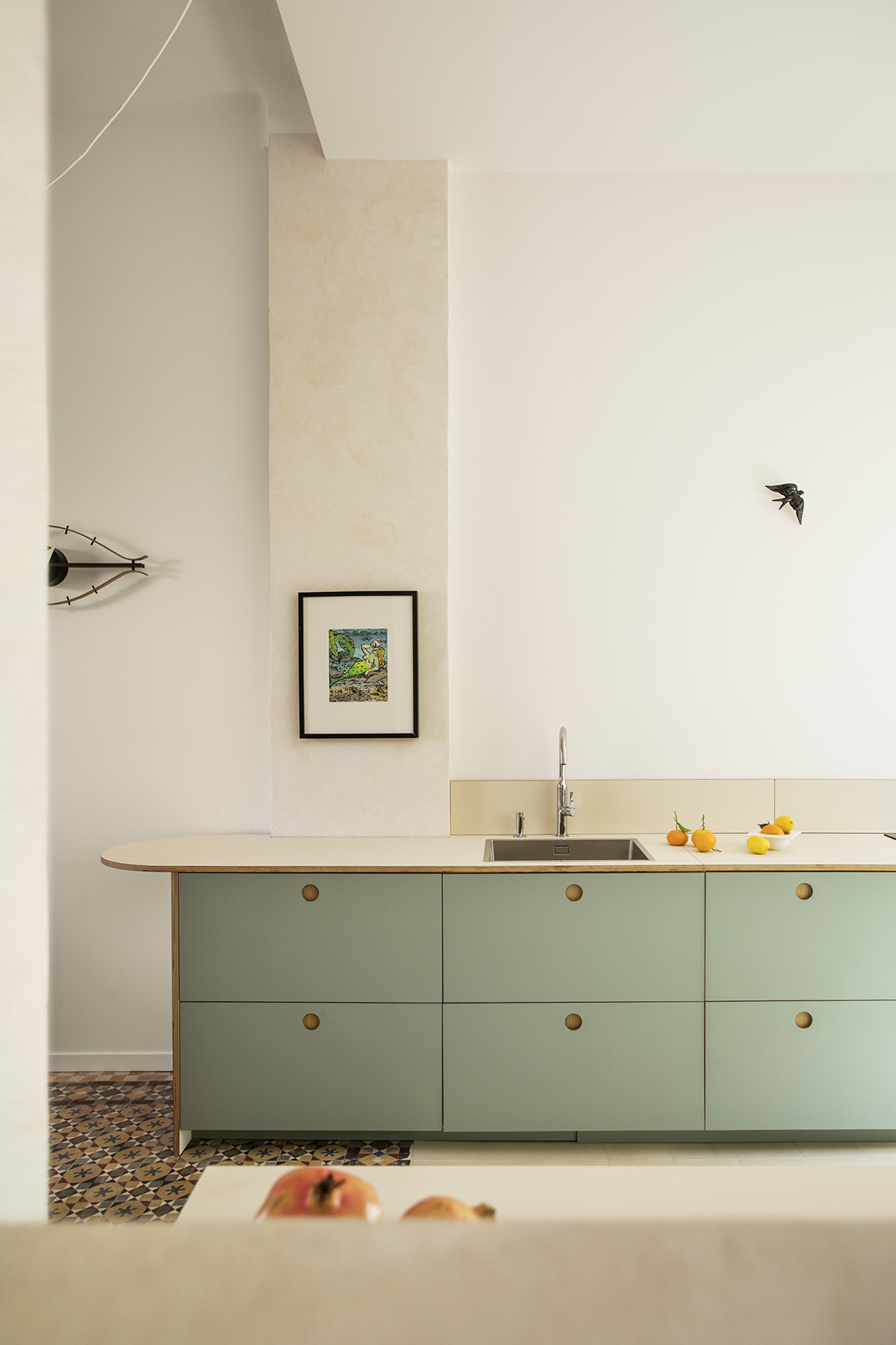
Madrid-based firm Cubro offers custom fronts to upgrade IKEA’s basic designs.
Image: Charlotte Lemesle.
This residence by CplusC Architectural Workshop in Sydney, Australia, features a built-in seating nook beneath the stairs, with integrated lighting to support reading and play.
Credits: Architect: CplusC Architects + Builders. Builder: CplusC Architects + Builders. Project name: Peas in a Pod. Photographer: Jackie Chan.
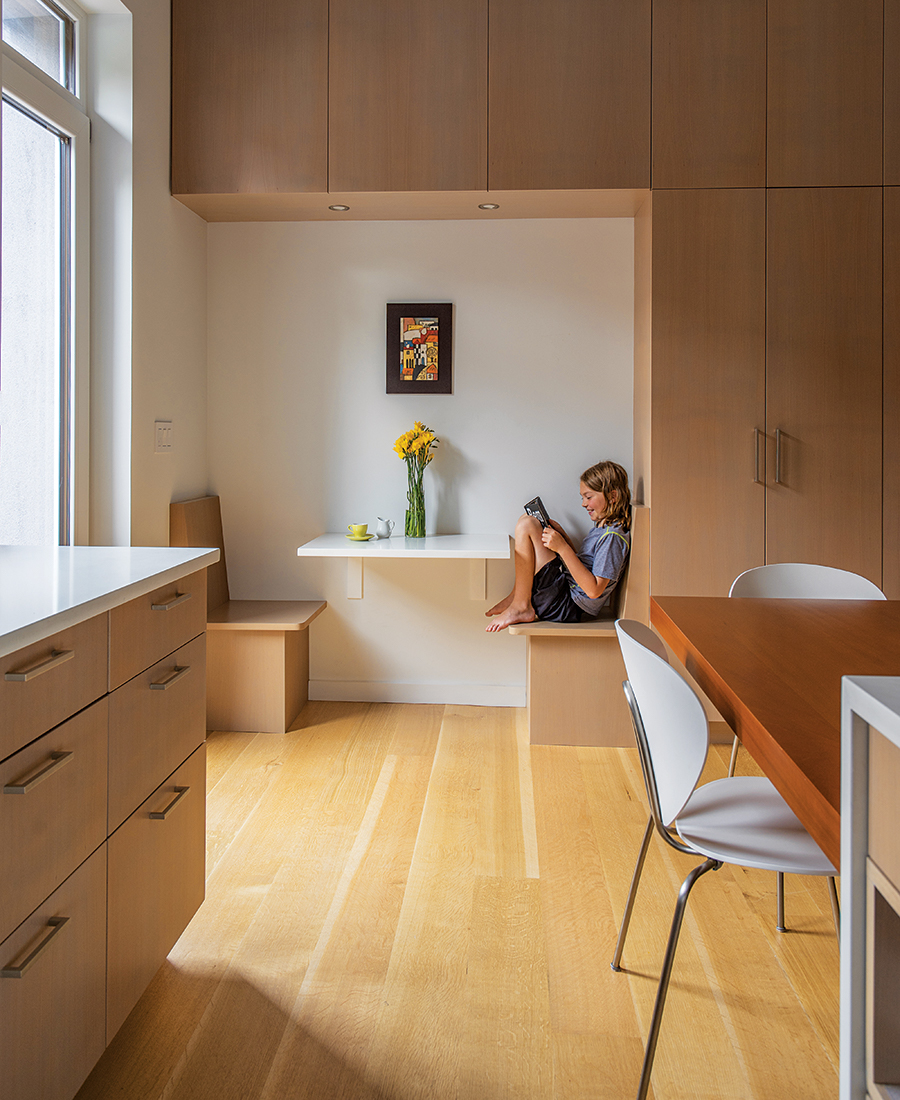
The loft designed by ZeroEnergy Design in Boston, USA, features a breakfast nook with built-in seating and a fold-out table.
Photo credit: Eric Roth.

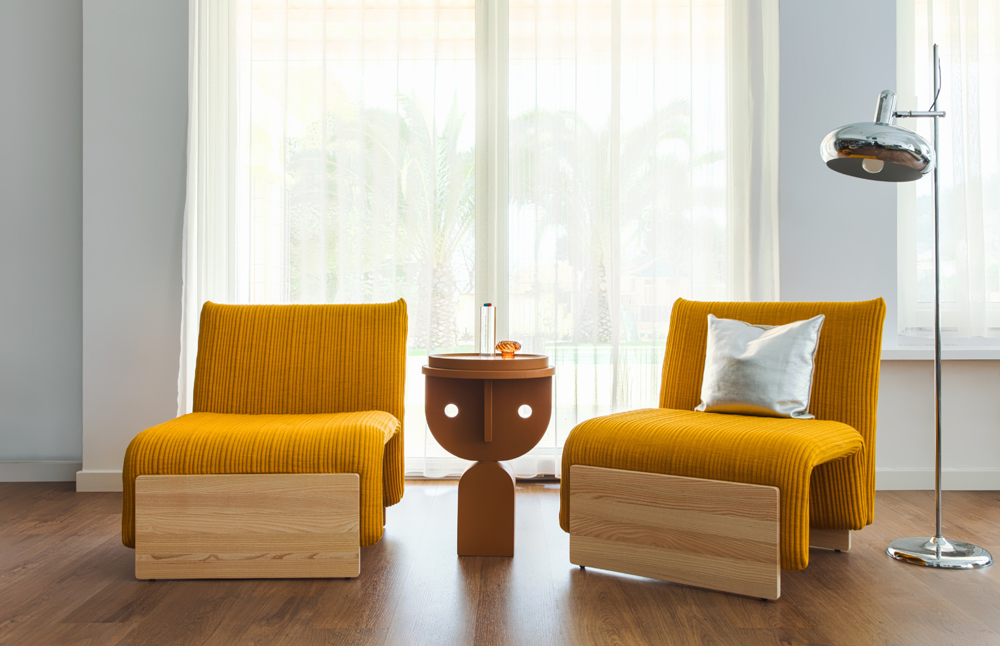
Nathan Yong’s collection for Sancal breaks with traditional aesthetics, presenting pieces that resemble sculpted faces carved from simple blocks of wood. The side tables take on even more personality thanks to the bold colour palette, adding a playful touch to any home interior.
Do you like this trend? Leave us a like:
Share:


Do you like this trend? Leave us a like:
0Share: